CS474: Human Computer Interaction - Design Thinking
Activity Goals
The goals of this activity are:- To explain the challenges of VUCA environments and wicked problems
- To apply design thinking principles to approach wicked problems in VUCA environments
Supplemental Reading
Feel free to visit these resources for supplemental background reading material.- Abductive Reasoning
- Abductive Reasoning - A thinking skill you can do but computers can't
- Chathurika, H. - Principles of Design Thinking - Part 1
- 5 Stages in the Design Thinking Process
- The Everyday Innovator Podcast Episode 135
- Designing a 1000 Floor Elevator Interface
- Norman Chapter 6
The Activity
Directions
Consider the activity models and answer the questions provided. First reflect on these questions on your own briefly, before discussing and comparing your thoughts with your group. Appoint one member of your group to discuss your findings with the class, and the rest of the group should help that member prepare their response. Answer each question individually from the activity, and compare with your group to prepare for our whole-class discussion. After class, think about the questions in the reflective prompt and respond to those individually in your notebook. Report out on areas of disagreement or items for which you and your group identified alternative approaches. Write down and report out questions you encountered along the way for group discussion.Model 1: VUCA Environments

Questions
- What kinds of problems represent VUCA environments?
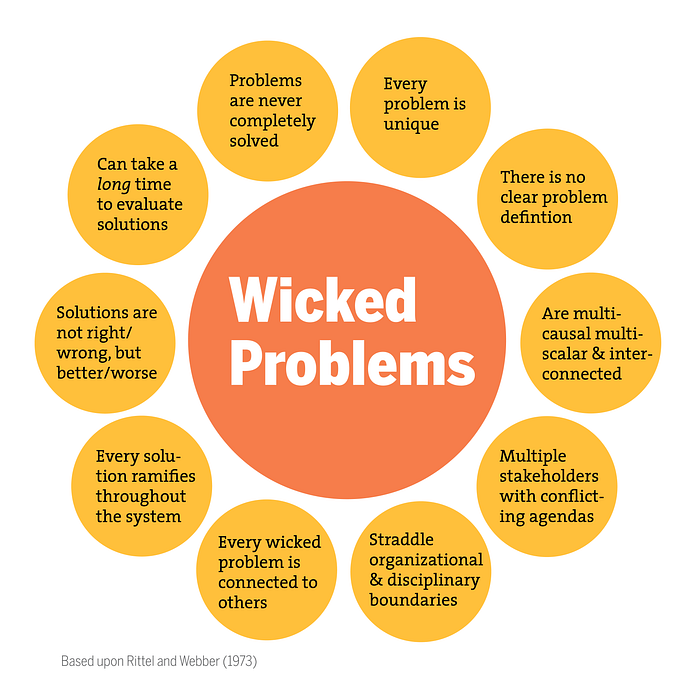
Model 2: Wicked Problems
Questions
- What are some characteristics of wicked problems, and how do these characteristics inform the types of design processes one should employ in these innovative and multidisciplinary environments?
- What is the difference between abductive reasoning and deductive reasoning? What constraints does it relax? How might abductive reasoning be helpful when forced to innovate in unknown areas?
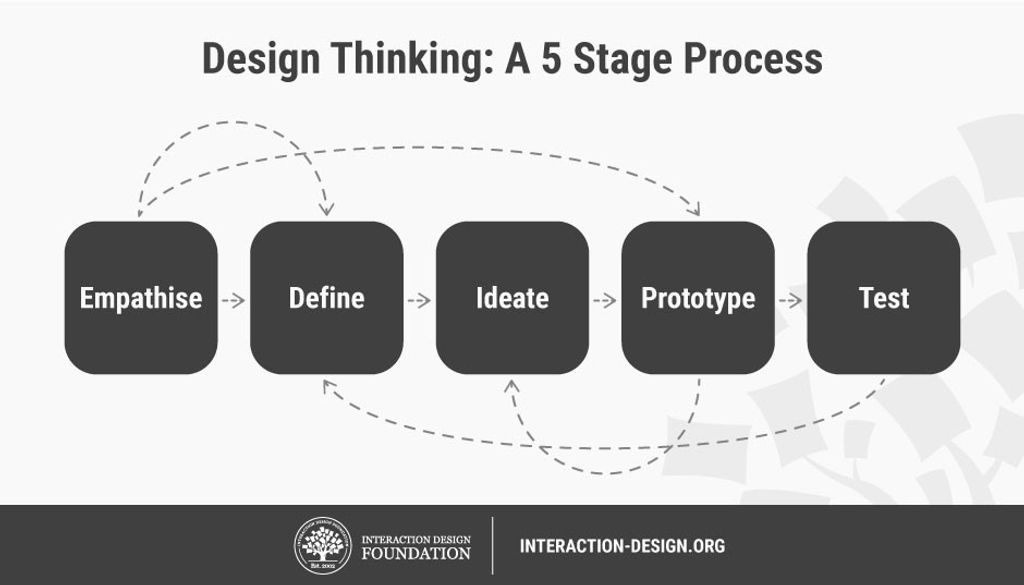
Model 3: Design Thinking Process
Questions
- What are the 5 stages in the design thinking process?
- How have you been incorprating these throughout your project work in this class?
Explore Further
These curated resources present the major design thinking frameworks and their critiques:
- Nielsen Norman Group - Design Thinking 101 — a concise written overview of the empathize/define/ideate/prototype/test cycle, with a helpful diagram distinguishing “understand, explore, materialize” phases.
- IDEO Design Thinking — from the firm that popularized the practice; the blog and history pages show how design thinking is applied to wicked problems well beyond software.
- Design Council (UK) - The Double Diamond — an alternative framing that emphasizes the alternation of divergent thinking (exploring many options) and convergent thinking (committing to one) — useful vocabulary for your final project design plan.
- Stanford d.school - Resources — free facilitation guides and exercises (interviewing for empathy, “how might we” question crafting) you can use directly in your stakeholder feedback sessions.