CS474: Human Computer Interaction - Dark Patterns
Activity Goals
The goals of this activity are:- To identify examples of dark patterns in everyday life
- To classify dark patterns into various common categories
- To avoid infusing dark patterns into designs and implementations
Supplemental Reading
Feel free to visit these resources for supplemental background reading material.- EU mulls five-year ban on facial recognition tech in public areas
- Fresh Cambridge Analytica leak 'shows global manipulation is out of control'
- Dark Patterns - the Worst Counterexamples of User Experience Design
- Types of Dark Patterns
The Activity
Directions
Consider the activity models and answer the questions provided. First reflect on these questions on your own briefly, before discussing and comparing your thoughts with your group. Appoint one member of your group to discuss your findings with the class, and the rest of the group should help that member prepare their response. Answer each question individually from the activity, and compare with your group to prepare for our whole-class discussion. After class, think about the questions in the reflective prompt and respond to those individually in your notebook. Report out on areas of disagreement or items for which you and your group identified alternative approaches. Write down and report out questions you encountered along the way for group discussion.Model 1: Facial Recognition Software

Questions
- What are some examples in which we use facial recognition software today?
- What's wrong with this picture?
- The faces recognized in this screenshot were done using the
opencvlibrary. Given what you know about eye tracking applications, how do you think faces are recognized by software? - What can you hypothesize about the manner in which this software was trained to recognize faces?
Model 2: Manipulating Human Behavior



Questions
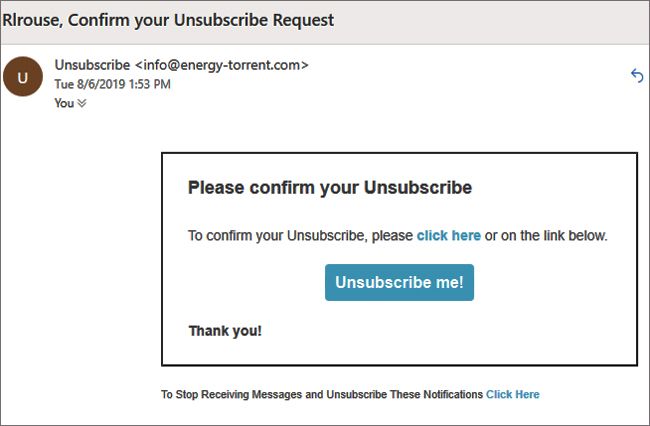
- How do people exploit human behaviors and needs?
Model 3: Dark Patterns
Questions
- Have you ever encountered a website whose registration was broken into multiple steps, in which the first step asks only for non-personal information, but the last step requires contact or payment information? Which dark pattern does this fall into?
- For each of the types of dark patterns discussed, identify some real examples that exemplify each from your own personal experience.
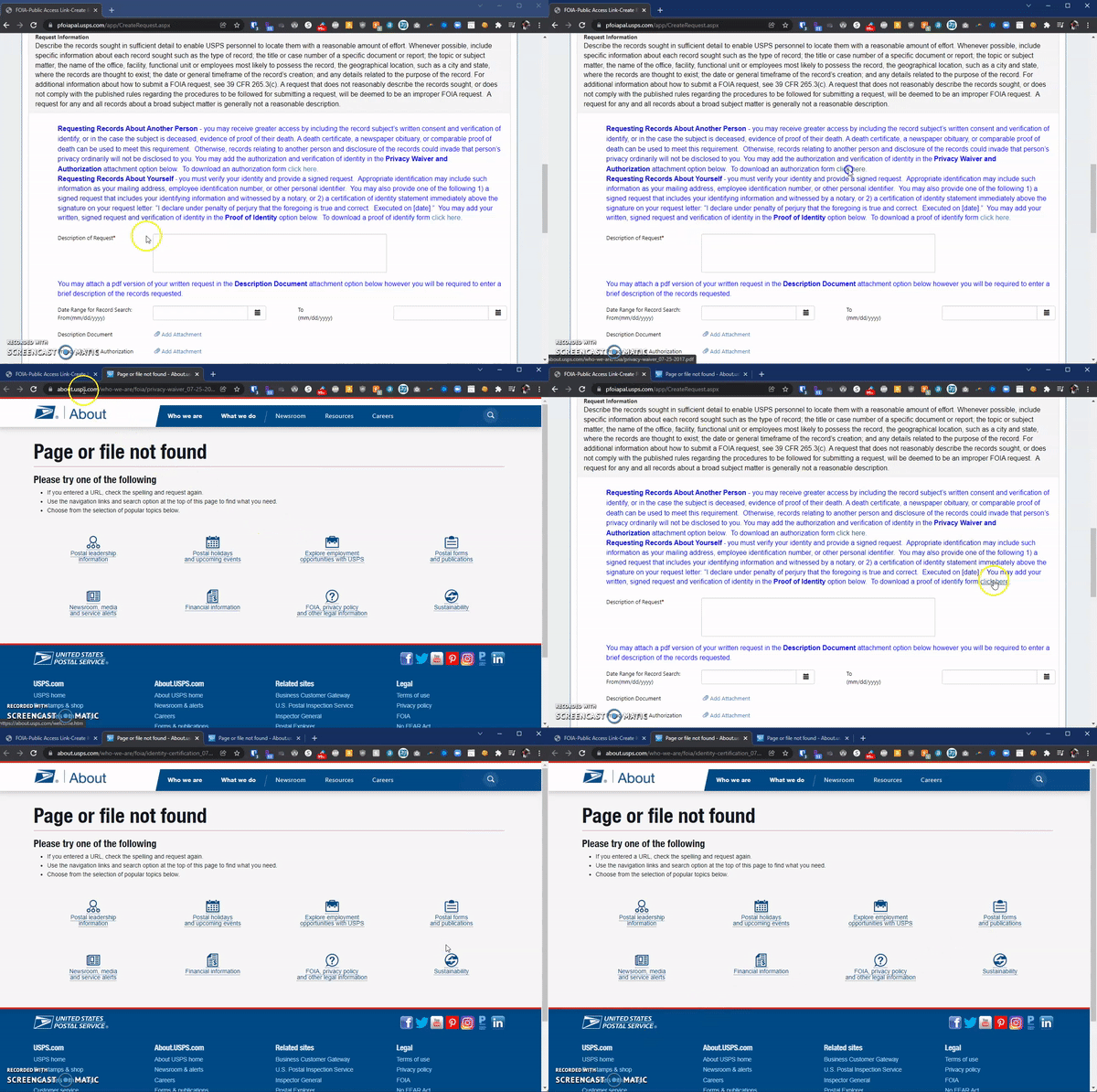
- What kind of dark pattern(s) does the United States Postal Service (USPS) example fall into? What incentive might the USPS have in requiring forms that cannot be accessed? Is an account required to submit this form (and why or why not)? What protocols might you put into place to enable accessible reporting of issues such as these?
Embedded Video
You can play the following video right here from your browser!Explore Further
These curated resources go deeper into recognizing, cataloging, and regulating dark patterns:
- Deceptive Design (formerly darkpatterns.org) — Harry Brignull’s original pattern library, with a taxonomy of deceptive patterns and a “hall of shame” of real examples. Browse a few patterns and notice how each one exploits a specific cognitive habit (skimming, default acceptance, loss aversion).
- Mathur et al. - Dark Patterns at Scale: Findings from a Crawl of 11K Shopping Websites (CSCW 2019) — researchers automated the detection of dark patterns across the web and found them on more than 11% of shopping sites. Skim the taxonomy in Section 5; it is more rigorous than most popular articles.
- FTC Report - Bringing Dark Patterns to Light (2022) — the U.S. Federal Trade Commission’s staff report on deceptive design, showing that dark patterns are now a legal and regulatory issue, not just a UX ethics debate.
- Nielsen Norman Group - Deceptive Patterns — a practitioner-oriented overview connecting deceptive patterns to the usability heuristics they violate, with guidance on how honest designs handle the same flows.