CS474: Human Computer Interaction - Collective Memory
Activity Goals
The goals of this activity are:- To define collective memory
- To leverage collective memory in the application of HCI design principles
Supplemental Reading
Feel free to visit these resources for supplemental background reading material.- You Snooze, You Lose: Insurers Make The Old Adage Literally True
- Mair, A. - The Role of Memory in HCI
- Norman Chapters 1-3
The Activity
Directions
Consider the activity models and answer the questions provided. First reflect on these questions on your own briefly, before discussing and comparing your thoughts with your group. Appoint one member of your group to discuss your findings with the class, and the rest of the group should help that member prepare their response. Answer each question individually from the activity, and compare with your group to prepare for our whole-class discussion. After class, think about the questions in the reflective prompt and respond to those individually in your notebook. Report out on areas of disagreement or items for which you and your group identified alternative approaches. Write down and report out questions you encountered along the way for group discussion.Model 1: Collective Memory
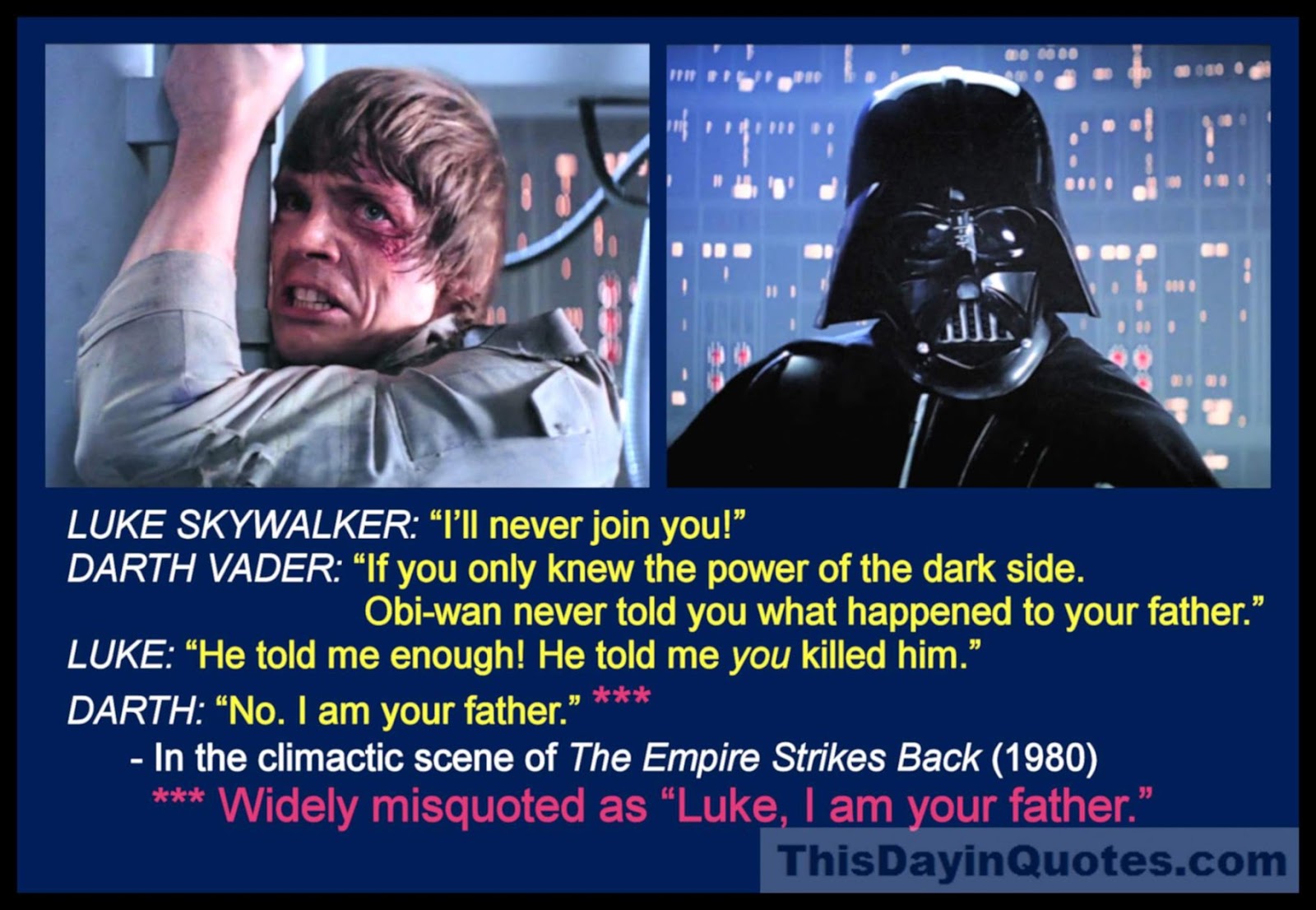
Questions
- Why do you think incorrect memories like these persist?
- Why are inaccuracies in collective memory sometimes of little consequence?
- Try the Memory Experiment on this page. How many words were you able to remember?
- How might software systems leverage the limitations on average short term memory to provide a better user experience?
- In Norman Figure 3.2, which control configuration is best and why?
Explore Further
These curated resources connect human memory research to concrete design guidance:
- Nielsen Norman Group - Recognition vs. Recall in UX — the core design consequence of memory research: showing options (recognition) beats making users remember them (recall). Count how many recall demands your favorite app makes of you.
- Sparrow, Liu, & Wegner - Google Effects on Memory (Science, 2011) — the famous “Google effect” study: when people expect information to remain available, they remember where to find it rather than the information itself — transactive memory extended to machines.
- Laws of UX - Miller’s Law — a one-page visual summary of the “7 +/- 2” working-memory result and its practical (and frequently overstated) implications for chunking information in interfaces.
- Interaction Design Foundation - Mental Models — how shared, culturally-accumulated expectations (a form of collective memory) determine what users find intuitive, and what happens when a design violates them.